 +39 393 8909 241
Quando occorre installare le zanzariere per finestre e porte in casa o in ufficio, sorge sempre il dubbio: ricorrere a un’azienda specializzata o passare al centro bricolage per un kit da assemblare? Il prezzo spesso suggerirebbe la seconda soluzione. Ma è bene non farsi influenzare troppo da questo fattore perché, nella pratica, potrebbe non rivelarsi la scelta più oculata. Vediamo perché.
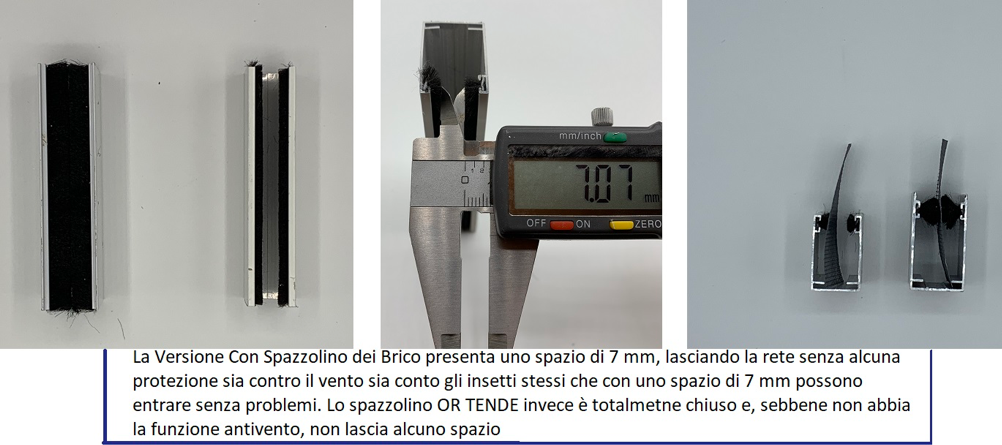
Presso la Grande Distribuzione puoi trovare vari modelli – solamente a “spazzolino” – a misure fisse che presuppongono una serie di lavorazioni da parte del cliente per adattare i kit zanzariere ai singoli vani.
Seguendo le istruzioni, dovrai tagliare i profili di alluminio, assemblare i componenti e fissarli alle pareti.
Un’azienda specializzata esegue tutte queste attività, consegnando un prodotto perfettamente a misura di porte e finestre. Questo comporta un non trascurabile risparmio di tempo oltre che evitare di procurarsi i vari utensili da utilizzare.
Non dimenticare, poi, che in commercio non esistono modelli di zanzariere antivento in kit, dal momento che questi tipi di zanzariere presuppongono una lavorazione su misura.
Molte località, da quelle balneari a zone di collina, come pure ai piani più alti di certi condomini, sono soggette a forti raffiche di vento.
In tutti questi casi i modelli di zanzariere antivento risultano essenziale, diversamente la rete uscirebbe frequentemente dalle guide, creando disagi.
Tipicamente le zanzariere presentano profili in alluminio e rete in fibra di vetro, ma
la composizione dei materiali usati per le zanzariere su misura e quelle in kit, seppur possano sembrare identici, differiscono in modo consistente.
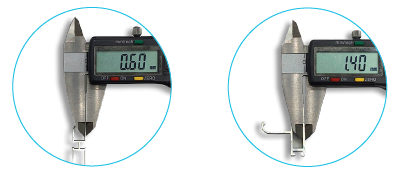
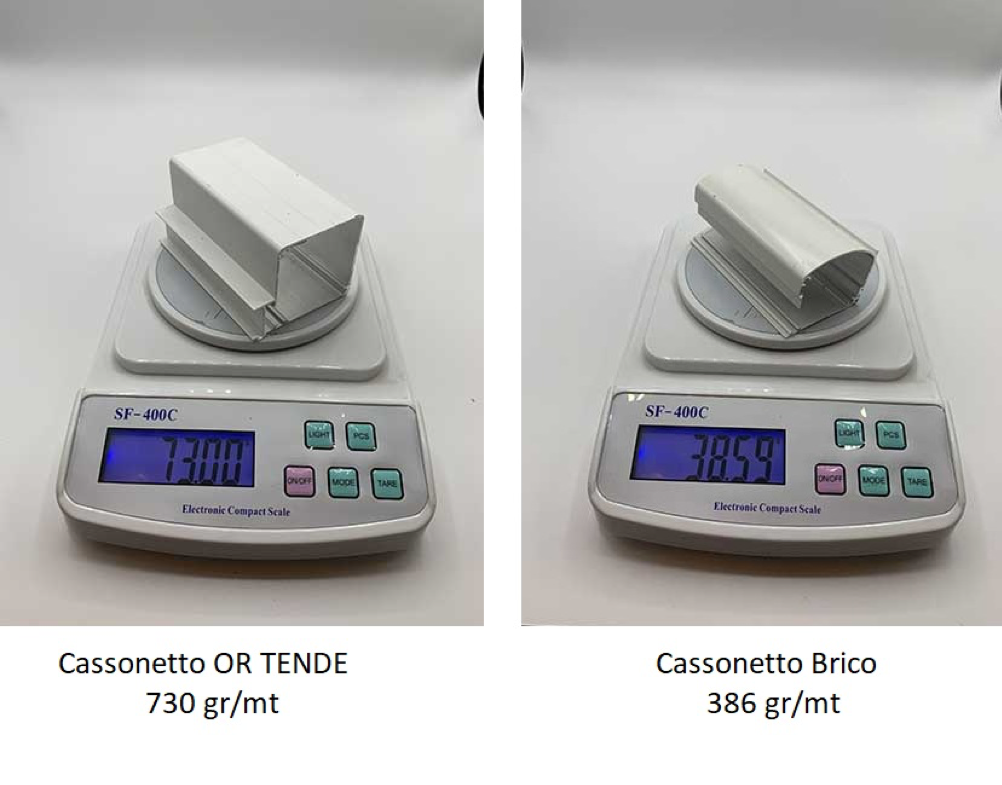
L’alluminio presente nelle zanzariere su misura di OR Tende, una delle aziende leader in questo settore, è in media del 57% superiore rispetto ai modelli che puoi trovare presso la Grande Distribuzione, con differenze fino all’87% per quanto riguarda il cassonetto, uno degli elementi più importanti nella struttura.
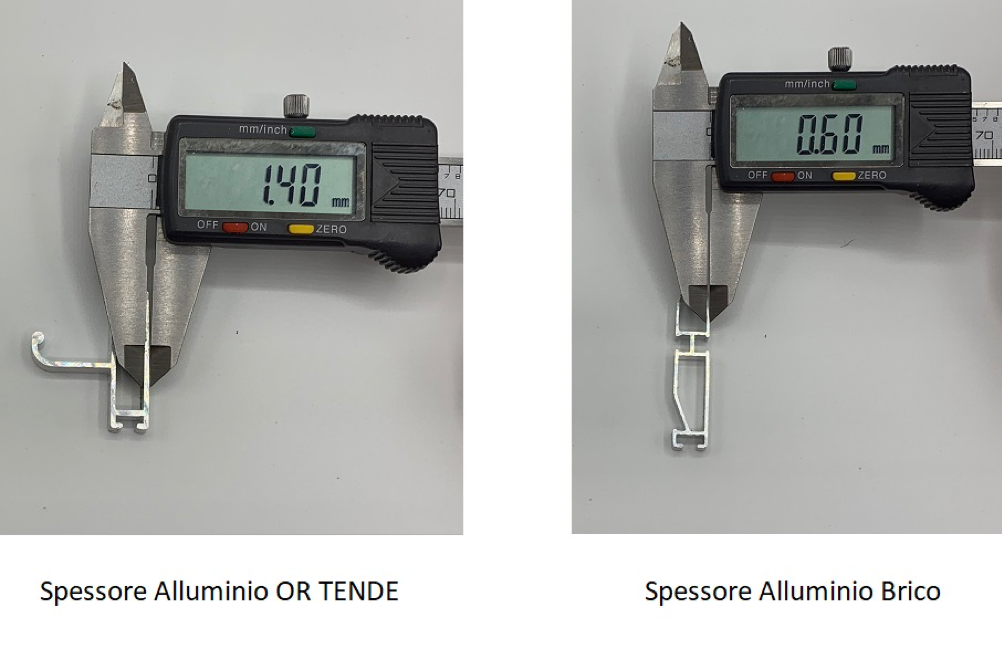
Entrando ancor più nel dettaglio, lo spessore dei profili in alluminio di OR Tende varia da 1 a 1,4 mm; lo spessore dell’alluminio nelle zanzariere in kit non supera gli 0,8/0,9 mm fino a raggiungere perfino gli 0,6 mm, meno della metà dei profili di un’azienda specializzata in produzione e montaggio di zanzariere.
Proseguendo nell’analisi degli elementi comparativi, non trascurare il fattore peso: una zanzariera del formato 60×150 cm verticale della Grande Distribuzione ha un peso pari a 1.050 gr. Una analoga zanzariera verticale, a molla con bottoni di OR Tende ha un peso pari a 1.648 gr, ben il 57% in più.
C’è poi l’aspetto delle metrature. Le zanzariere in kit hanno presentano misure prestabilite e, se anche mancano solo pochi centimetri a completare la superficie della tua porta o finestra, sarai costretto ad acquistare il formato magiore anche se notevolmente più grande.
Le aziende che si occupano della produzione su misura, invece, vendono soluzioni studiate sulla base delle richieste specifiche. In termini pratici pagherai solamente i metri quadrati di zanzariera che ti occorrono.
Anche per quanto riguarda i colori, le differenze tra GDO e zanzariere su misura è notevole.
I profili delle zanzariere in kit che trovi nei centri di bricolage sono solitamente disponibili in uno o al massimo due colori (nella stragrande maggioranza dei casi bianco e marrone).
La scelta di OR Tende si compone di oltre 26 colori, tra cui tinte lucide, opache e color legno.
Desideri saperne di più? A questo link puoi scaricare la cartella dei colori e renderti conto della varietà offerta da OR Tende.
Discorso simile per le reti: i modelli della GDO sono unicamente grigi; quelli di OR Tende sono ordinabili in diverse tipologie e vari colori: standard, bellavista, antigraffio, alluminio, bicolore, screen e oscuranti.
In caso di eventuali problemi la Grande Distribuzione obbliga il cliente ad andare alle poste e spedire a spese sue il pacco con il materiale difettoso.
Il servizio clienti di un’azienda specializzata come OR Tende, è a completa disposizione in caso di malfunzionamento, errore, disguido.
È la stessa azienda che manda un corriere a riprendere il prodotto e a provvedere alla sistemazione relativamente a imperfezioni e a difetti derivanti da un’errata misurazione dei vani, fornendo una zanzariera perfettamente funzionante, anche a distanza di tempo, perfino oltre la normale garanzia.
Le comunicazioni con OR Tende, avvengono in modo diretto e funzionale attraverso il numero di telefono aziendale, i cellulari dei tecnici o tramite WhatsApp per avere un riscontro immediato.
Scopri i modelli di zanzariere più adatti alle tue esigenze.
