 +39 393 8909 241
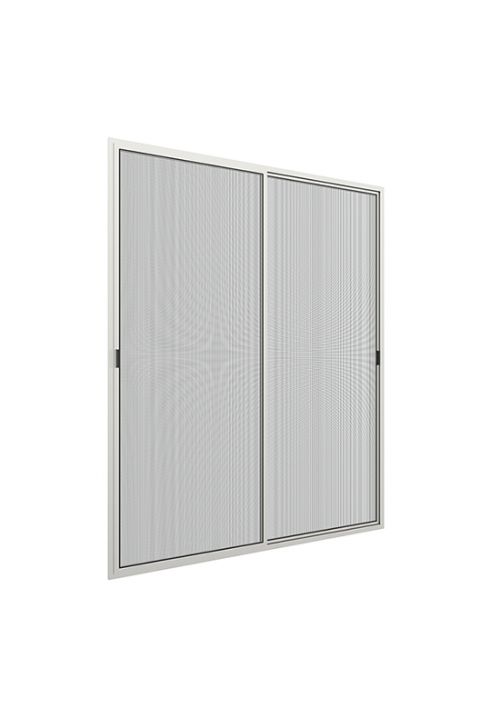
Zanzariere e vento forte sono due elementi che non vanno d’accordo e possono creare diversi problemi agli utenti.
Fortunatamente tecnologia e innovazione hanno fatto parecchi passi avanti negli anni, arrivando a concepire modelli di zanzariere in grado di offrire un’eccellenza resistenza anche alle raffiche di vento particolarmente forti.
Le c.d. zanzariere antivento sono realizzate con l’ausilio di telai che, se ben concepiti, non si aprono accidentalmente, impedendo alla rete di fuoriuscire dai binari anche in presenza di violente raffiche.
Si tratta di caratteristiche necessarie per chiunque sia intenzionato a installare zanzariere in zone particolarmente ventilate. In questi casi è consigliabile acquistare una zanzariera che ha superato determinati test, certificata in base alla normativa europea UNI EN 13561:2009.
Naturalmente esistono diversi modelli sul mercato. Per maggiore chiarezza analizzeremo, indicando vantaggi e svantaggi, le zanzariere zip, le zanzariere a bottoni antivento, le zanzariere con spazzolino antivento e le zanzariere con spazzolino .
Le zanzariere a bottoni antivento sono ormai un classico consolidato sul mercato. Questo modello presenta, ai bordi, una fettuccia saldata alla rete dove vengono inseriti dei piccoli bottoni di plastica a distanza di circa 30 cm l’uno dall’altro.
La funzione di questi elementi è quella di non fare uscire la rete dalle guide in alluminio. Queste ultime hanno una forma a uncino studiata appositamente per mantenere il bottone al suo interno.
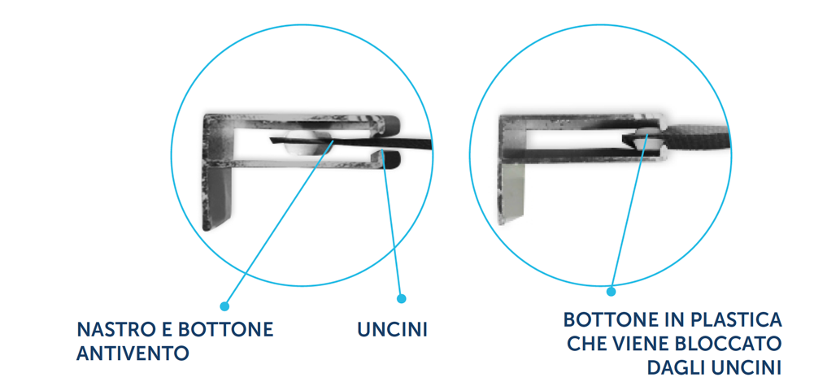
La particolare forma della guida con i due uncini fa in modo che il bottone non esca, in questo modo la rete rimane forzatamente dentro le guide anche in presenza di vento.
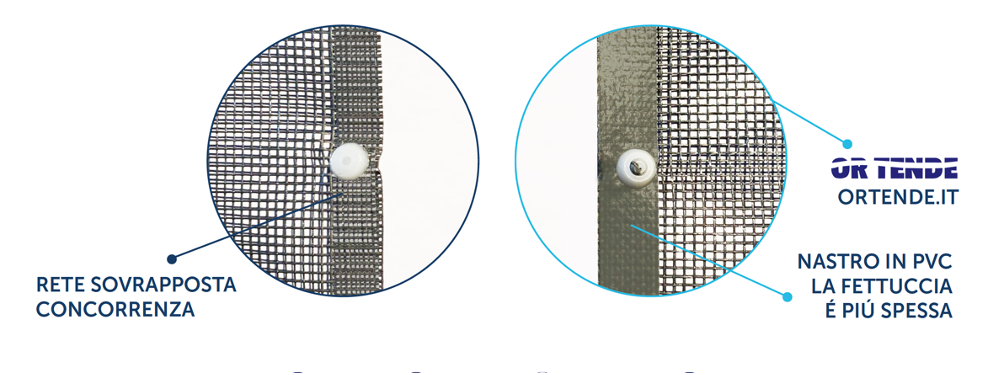
Il nastro in Pvc di cui sono dotate le zanzariere antivento proposte da OR Tende, costituisce un effettivo rinforzo di ancoraggio per i bottoncini.
Altri modelli presentano una sovrapposizione di sole due reti, ma, in quei casi, la tenuta è nettamente inferiore.
Al momento di prendere in considerazione l’acquisto di zanzariere antivento occorre prestare attenzione a questo elemento, seppure sia nascosto dalle guide laterali (quando la rete scende) che dal cassonetto (quando la rete è avvolta), quindi non facile da scorgere.
Vantaggi
– la caratteristica principale di questo modello è che la rete, in presenza di vento, non esce dalle guide;
– la rete è resistente e robusta perché ai lati presenta la fettuccia in Pvc saldata che
previene piccoli strappi o rotture che si possono generare con il tempo;
– le dimensioni dei profili in alluminio sono maggiori e rendono la zanzariera più robusta e solida.
Svantaggi
– In caso di urto accidentale, la rete si strappa e deve essere sostituita.
– le dimensioni dei profili in alluminio sono importanti e per questo alcune volte non si possono adattare a gli ingombri di tutti i vani;
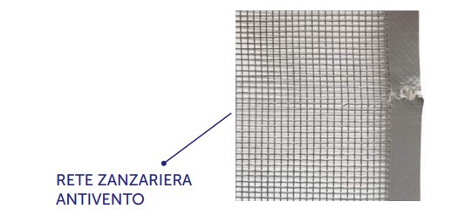
OR Tende ha sviluppato un particolare tipo di spazzolino che ha una specifica funzione antivento, risolvendo al contempo il problema degli urti accidentali e della rottura delle reti.
Grazie a questa innovazione è infatti possibile inserire su uno dei lati della guida uno spazzolino obliquo con setole più lunghe e rigide che hanno la funzione di inserirsi
tra le maglie della rete stessa, mentre nei sistemi tradizionali la funzione della coppia di spazzolini è solo di appoggio.
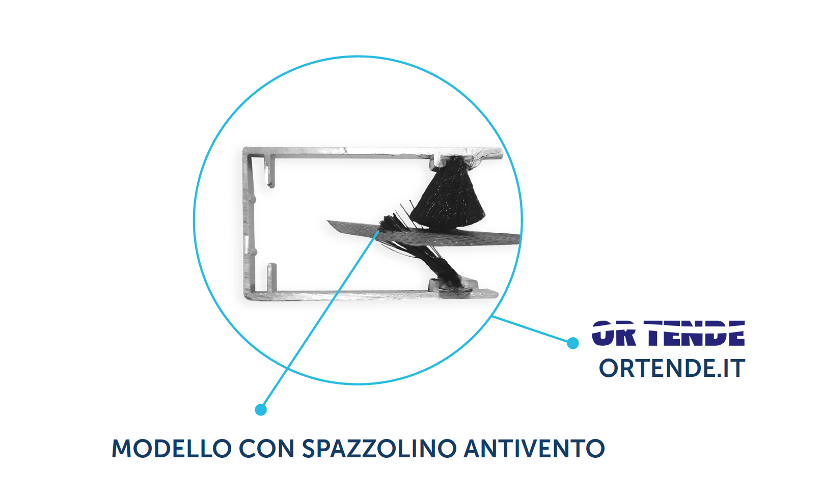
Quando il vento preme sulla rete, lo spazzolino antivento obliquo oppone resistenza e non fa uscire la rete dalle guide mantenendo la rete tesa, unendo i vantaggi dei diversi modelli di zanzariera.
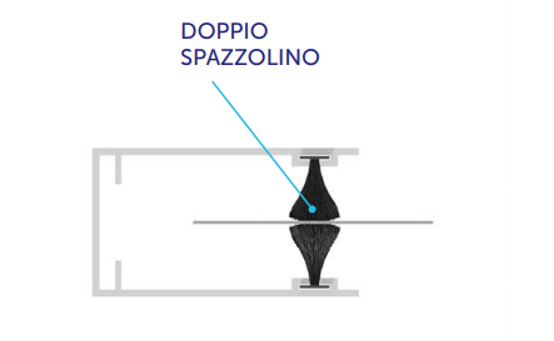
Le zanzariere con spazzolino sono dotate, all’interno delle guide di scorrimento, di un apposito spazzolino che funge da barriera per gli insetti e la polvere.
La rete può uscire dalle guide e rientrare al loro interno senza impedimenti.
Nei modelli proposti da OR Tende all’interno delle guide è presente uno spazzolino doppio per tenere la rete tesa all’interno delle stesse, aumentandone l’efficacia antintrusione di elementi indesiderati.
Vantaggi
– in caso di urto accidentale la rete può uscire e ritornare senza problemi all’interno delle guide senza rompersi;
– le dimensioni dei profili in alluminio sono ridotte perché l’assenza dei bottoni permette alla rete di avvolgersi con minore ingombro. Si possono, quindi, installare in quasi tutti i vani.
Svantaggi
– Non è presente la fettuccia di rinforzo ai lati, quindi la rete è più soggetta a piccoli
strappi. Tuttavia, OR Tende per i suoi clienti prevede la possibilità di richiedere la fettuccia in Pvc come opzione aggiuntiva.
