 +39 393 8909 241
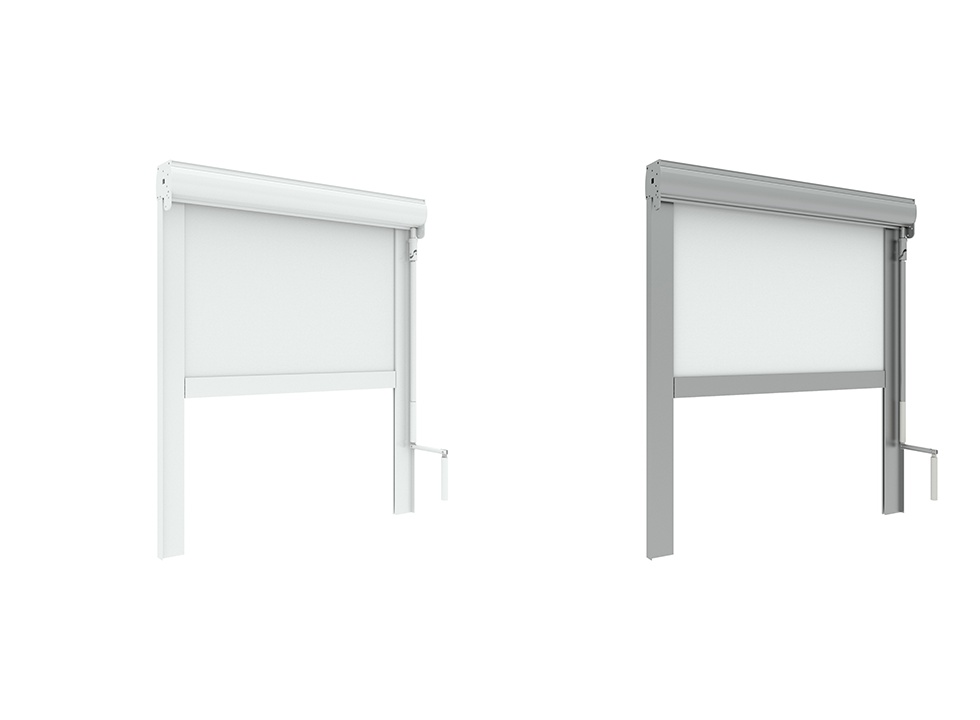
Nel corso degli ultimi anni si è registrato un vero e proprio boom riguardante le tende a rullo, sia oscuranti che filtranti.
Ad oggi, però, molti utenti arrivano al momento di decidere di installare le tende per esterni senza conoscere bene la differenza tra queste due tipologie che il mercato offre.
Siamo naturalmente nel campo delle tende per esterni, adatte sia alle abitazioni private che per le aziende o gli uffici pubblici, tra cui le scuole.
Occorre sapere che le tende a rullo oscuranti sono quelle tipologie di elementi schermanti in grado di creare un’oscurità totale nel momento in cui il tessuto viene abbassato.
Le tende a rullo filtranti, invece, sono più “tolleranti” poiché permettono di schermare i raggi solari, ma di fare entrare la luce. Sono particolarmente adatti in ambienti come salotto, cucina, bagno a differenza delle camere dove si predilige il tessuto oscurante.
Naturalmente esistono moltissime varianti sul mercato con alcune ditte che si stanno specializzando nella realizzazione di tende a rullo su misura.
Attualmente sono ancora poche le imprese in Italia in grado di avere una gamma completa di sistemi per oscurare o filtrare la luce adatti a un’installazione all’esterno del vano.
Occorre tenere presente che installare le tende all’esterno degli infissi, comporta un grado di risparmio energetico nettamente maggiore rispetto a un’installazione da interno.
Bisogna però affrontare una serie di problemi specifici legati alla resistenza delle tende ad agenti atmosferici, sole, umidità, vento, pioggia, grandine e deperimento.
Il vento fa muovere il tessuto delle tende da esterni. Da parte dei costruttori c’è quindi la necessità di sviluppare un sistema che possa tenere il tessuto sempre teso e all’interno delle guide laterali.
Le guide sono dei profili in alluminio che si fissano ai lati della tenda. Al loro interno scorre il tessuto e, grazie a dei particolari accessori, permettono al tessuto stesso di non uscire.
È possibile non inserire le guide e utilizzare dei cavi in acciaio che si fissano in verticale ai lati della tenda. Il terminale, dove si attacca il tessuto e che funge da peso per tenere il telo teso, presenta dei tappi di plastica forati dove passa il cavo in acciaio. In questo modo il tessuto non può muoversi.
L’umidità comporta il deperimento e la ruggine degli accessori in metallo, occorre quindi utilizzare componenti in alluminio dotati di un’ottima verniciatura oppure realizzati in acciaio inox.
Il sole causa il deperimento e lo scolorimento dei tessuti e quindi è fondamentale scegliere prodotti a base di plastiche resistenti ai raggi UV.
Onde evitare di scegliere soluzioni iper-economiche, ma di scarsissima qualità, che significa doverle sostituire dopo pochissimo tempo, occorre tenere presenti alcune caratteristiche da ricercare all’interno dei modelli offerti dal mercato.
Una buona tenda a rullo per esterno, oscurante o filtrante che sia, deve essere dotata di un cassonetto ispezionabile.
Il cassonetto è il profilo di alluminio orizzontale, collocato nella parte superiore, al suo interno viene avvolto il tessuto. Questo elemento è in grado di proteggere il tessuto dalle intemperie. Le ditte che seguono l’innovazione di settore hanno previsto un profilo diviso in due parti, in modo tale che possa essere aperto per eseguire la regolare manutenzione e la pulizia del tessuto. In caso contrario sarebbe necessario smontare tutta la struttura.
Le forme arrotondate da entrambi i lati del cassonetto, così come proposto da Or Tende, permette che la tenda a rullo da esterno sia esteticamente gradevole, sia per il proprietario che osserva la tenda dall’interno della propria casa che per le persone di passaggio.
Un’altra caratteristica chiave è data dalla presenza dei profili laterali con la funzione di tenere teso il tessuto.
Le guide laterali più innovative sono quelle che contengono al proprio interno un incavo per inserire una guida ZIP, ovvero una cerniera.
Il tessuto viene saldato a una cerniera inserita nell’incavo presente nella guida laterale.
In questo modo la tenuta e la resistenza al vento viene garantita per tutta l’altezza della tenda.
La dimensione del cassonetto varia a seconda della larghezza della tenda:
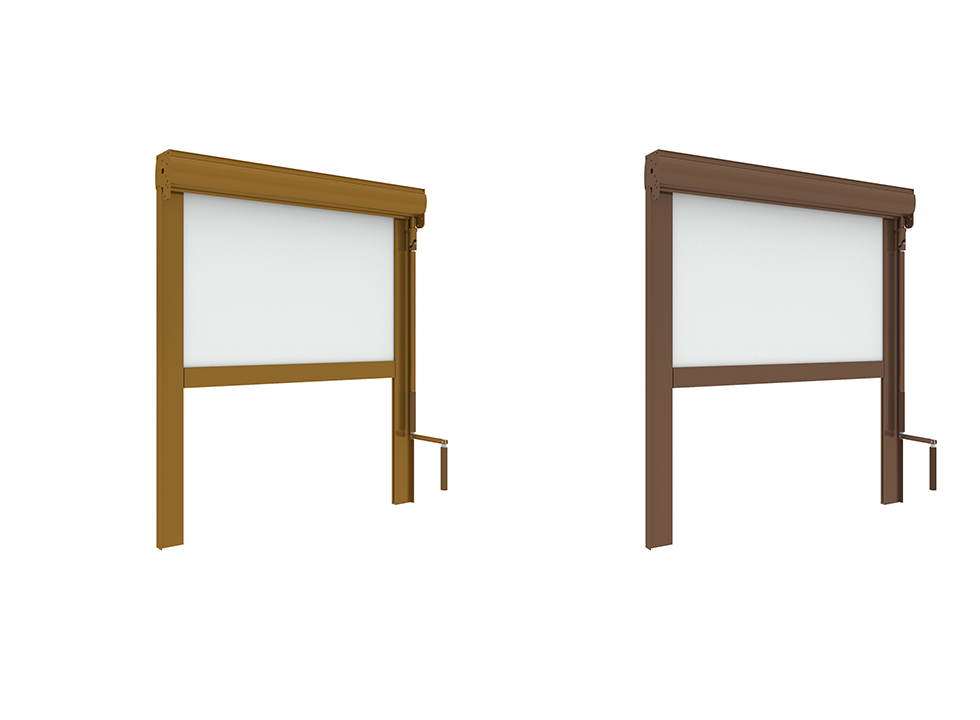
I colori disponibili standard sono bianco, argento, marrone, bronzo.
È però possibile verniciare la meccanica di qualsiasi colorazione RAL.
La movimentazione può essere manuale tramite un’asta di alluminio oppure con motore a interruttore o telecomando.
