 +39 393 8909 241
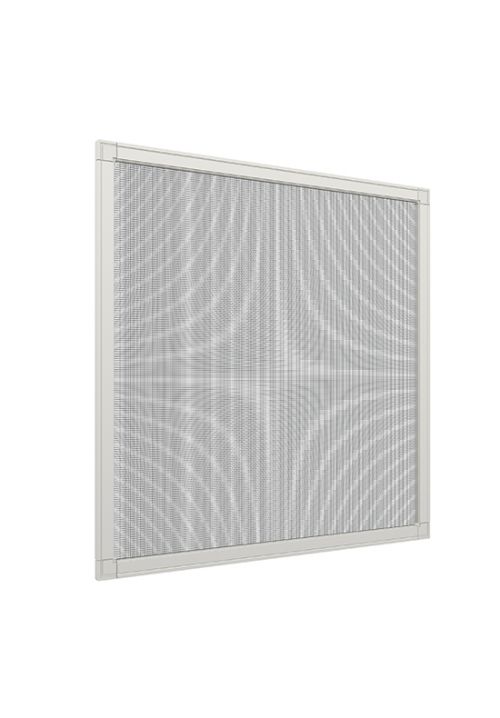
Le zanzariere sono uno strumento efficace, in grado di migliorare il confort delle nostre abitazioni o dell’ufficio.
Fino ad alcuni anni fa le scelte tra i modelli d’uso erano piuttosto limitate, oggi invece, grazie all’innovazione del settore, le varianti sono molteplici; quindi, occorre valutare bene le opzioni per avere un accessorio in grado di riscontrare al meglio le nostre esigenze, oltre a essere compatibile con i requisiti dell’immobile.
Vediamo, passo per passo, come individuare la zanzariera giusta per le nostre finestre.
Cominciamo dai tipi di apertura/azionamento delle zanzariere su cui c’è abbondante scelta:
– a motore;
– verticale a molla, con l’eventuale opzione del freno;
– a catena, con metodo easy in oppure l’opzione di aggancio magnetico. Quest’ultima è molto valida per evitare “l’effetto onda” in quanto la rete, quando abbassata e agganciata, subisce un tensionamento che le permette di non ondeggiare in caso di vento.
– telaio fisso
– a plissè
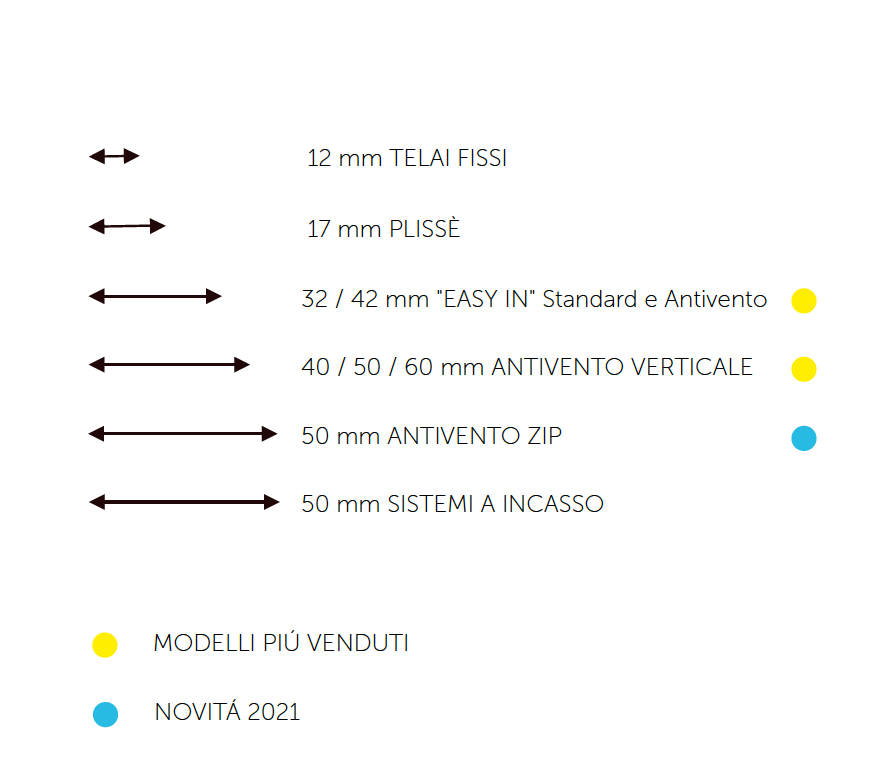
In base allo spazio a disposizione, è possibile avere un’idea abbastanza precisa della soluzione tecnica delle zanzariere.
Con 12 mm la soluzione è quella dei telai fissi, con 17 mm plissè, per il range 32-42 mm è indicato un modello easy in, standard e antivento, 40/50/60 mm antivento verticale e laterale o zip anticimice, 50 mm sistemi a incasso, 60 mm per la versione a motore.
Al di là dell’ingombro e delle modalità di apertura, l’utente, nella fase precedente all’acquisto, dovrebbe pensare all’uso che viene richiesto alle sue future zanzariere.
Le diverse reti attualmente in commercio consentono di adempiere a più funzioni differenti, a seconda delle singole necessità.
Riassumiamo il tutto in questo comodo schema:
La rete Standard è in fibra di vetro ricoperta con pvc, ha una capacità elastica superiore alla media oltre a un’ottima resistenza agli agenti atmosferici.
La rete Bellavista o ad alta visibilità è realizzata con fili estremamente sottili che, oltre ad impedire l’ingresso di insetti, garantisce una visibilità migliore. È disponibile nel colore grigio e nero.
La rete antipolline è in grado di bloccare la maggior parte dei pollini, degli allergeni e delle polveri presenti nell’aria mantenendo comunque un’ottima visibilità. È disponibile nel colore grigio e nero.
La rete antigraffio è realizzata con un filato ad alta tenacità in poliestere rivestito in Pvc, che assicura resistenza contro i graffi di animali domestici. Ha un’ottima visibilità e resistenza nel tempo. È disponibile nei colori grigio e nero.
La rete deluxe è di colore grigio con alcune fasce verticali nere per rendere visibile la rete ed evitare che bambini o animali domestici vadano a sbatterci contro provocando indesiderate rotture. È una rete che si utilizza nelle porte finestre.
La rete bicolore, bianca e nera a strisce verticali, è molto visibile e come la rete Deluxe, si utilizza principalmente nelle porte finestre.
Gli adesivi rondine o a pois si applicano sulla rete per renderla visibile ed evitare urti.
La rete in alluminio, disponibile nei colori silver e nero, è molto resistente ai morsi dei roditori. La rete non può essere arrotolata e avvolta all’interno di un cassonetto ma deve rimanere stesa. Si utilizza per le zanzariere a porta, per le zanzariere scorrevoli o per i telai fissi.
Il tessuto screen ha la capacità di bloccare i raggi del sole, oltre a evitare l’entrata di insetti. È disponibile in 6 colori: bianco, bianco avorio, bianco grigio, grigio, avorio e nero.
Per chi non ha le tapparelle, al posto della rete si può inserire un tessuto oscurante per garantire un buio totale al 100%. È disponibile in 7 colori: Bianco avorio, crema, grigio, grigio scuro, marrone e nero.
Vediamo ora di capire le opzioni circa la tenuta delle zanzariere all’interno delle guide laterali.
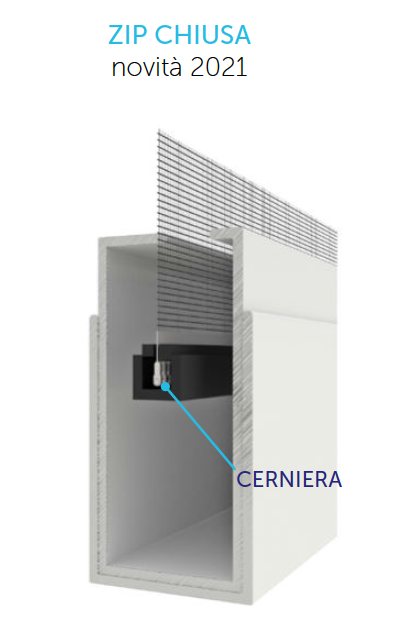
Zanzariera a ZIP: la rete viene saldata a una cerniera su tutta l’altezza. In questo modo non può uscire dalle guide perchè è presente una specifica sigillatura che, grazie a questa funzione, è denominata anticimice.
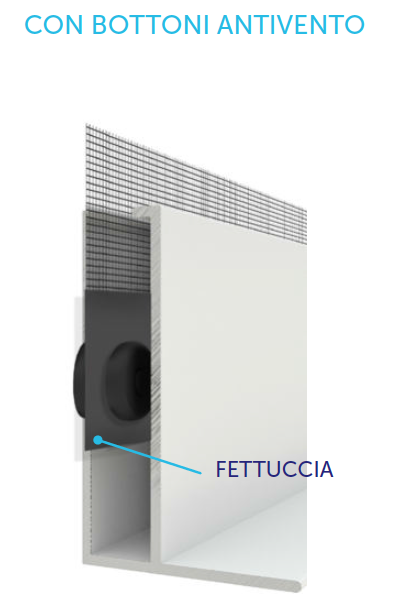
Zanzariera con bottoni antivento: I bottoni permettono alla rete di non uscire dalle guide. La fettuccia presente, invece, preserva da piccoli strappi che potrebbero verificarsi nel tempo.
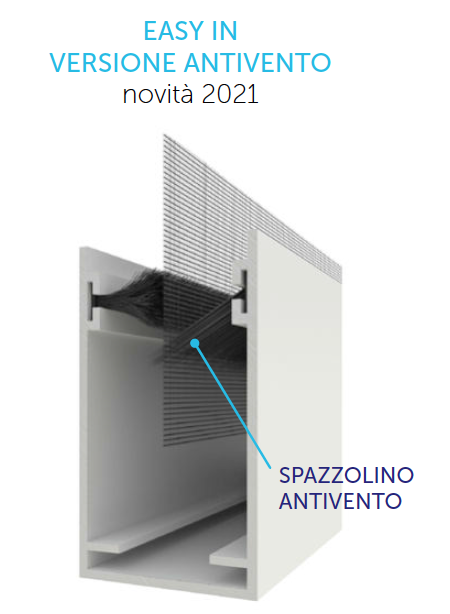
Zanzariera con spazzolino antivento (modello easy in): è costituito da una setola da 15 mm che penetra la maglia della rete, consentendole di uscire solo qualora venisse forzata.
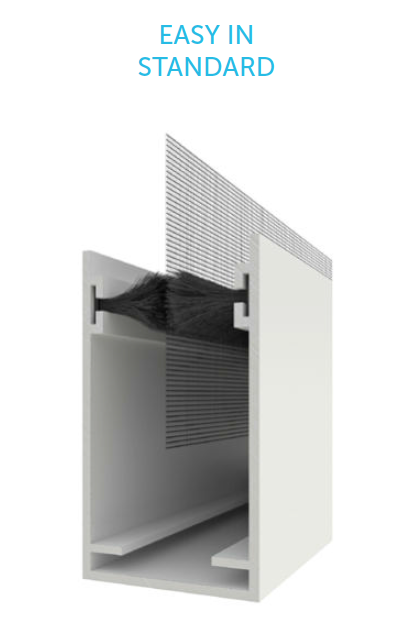
Zanzariera con spazzolino (modello easy in standard): è un modello dove, in caso di urto, la rete può uscire e rientrare senza problemi perché i due spazzolini non ne ostacolano il movimento.
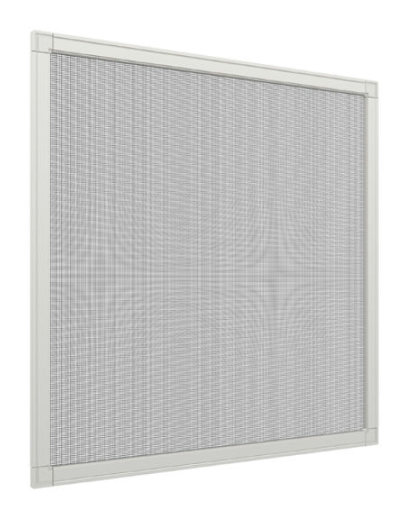
Zanzariera a telaio fisso: Il modello a Telaio fisso è indicato per infissi dove non è necessario sporgersi all’esterno e quindi non serve un meccanismo di avvolgimento della rete, è quindi l’ideale per soffitte, cantine o garage.
Il telaio perimetrale si installa al muro con delle staffe, grazie a un attacco magnetico o con una setola perimetrale. In caso di dimensioni oltre i 120 cm viene inserito un traverso per migliorare la stabilità.
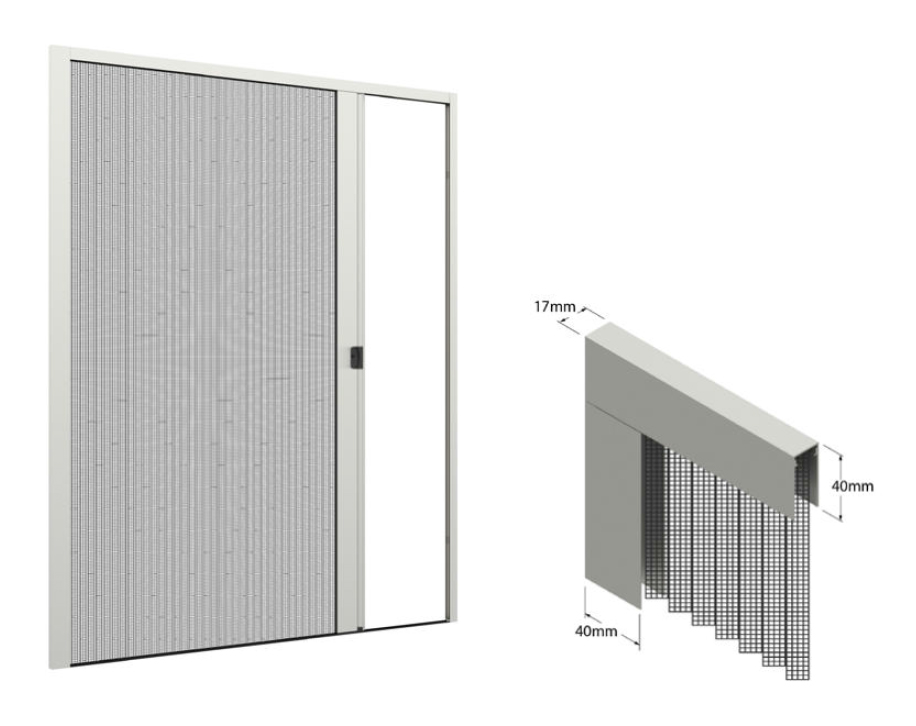
Zanzariera a plissé: La particolare rete a fisarmonica fa sì che la zanzariera non necessiti di cassonetto e tubo di riavvolgimento della rete. L’azionamento a “impacchettamento” riduce quindi notevolmente gli ingombri e aumenta le dimensioni massime di utilizzo.
Naturalmente le varianti non sono finite, il consiglio ulteriore è quello di contattare un’azienda specializzata in zanzariere in modo da fornire la soluzione che ritieni più idonea ai tuoi bisogni.
