+39 393 8909 241
Non esiste un periodo dell’anno preferenziale per provvedere a installare le zanzariere presso la propria casa o l’ambiente di lavoro. Molto spesso l’esigenza sorge tra la primavera inoltrata e l’estate quando cominciano a proliferare gli insetti (e non solo). Il consiglio che ci sentiamo di dare è di provvedere a questi interventi durante le stagioni fredde, in modo da avere più tempo per una scelta accurata dei prodotti da installare.
Innanzitutto devi prendere le misure dei vani in cui intendi installare le zanzariere. A seconda del tipo di finestra e dello spazio disponibile, infatti, si può scegliere il modello più adatto.
Non solo. Hai pensato a quale funzione la singola zanzariere deve avere?
Non è una domanda scontata dal momento che le zanzariere non ci proteggono solo dagli insetti ma anche da roditori e pollini. In alcuni casi occorre che siano resistenti alle zampe e dai denti degli animali domestici, in altri possono provvedere all’oscuramento degli ambienti. A seconda delle tue esigenze specifiche si possono scegliere reti appropriate.
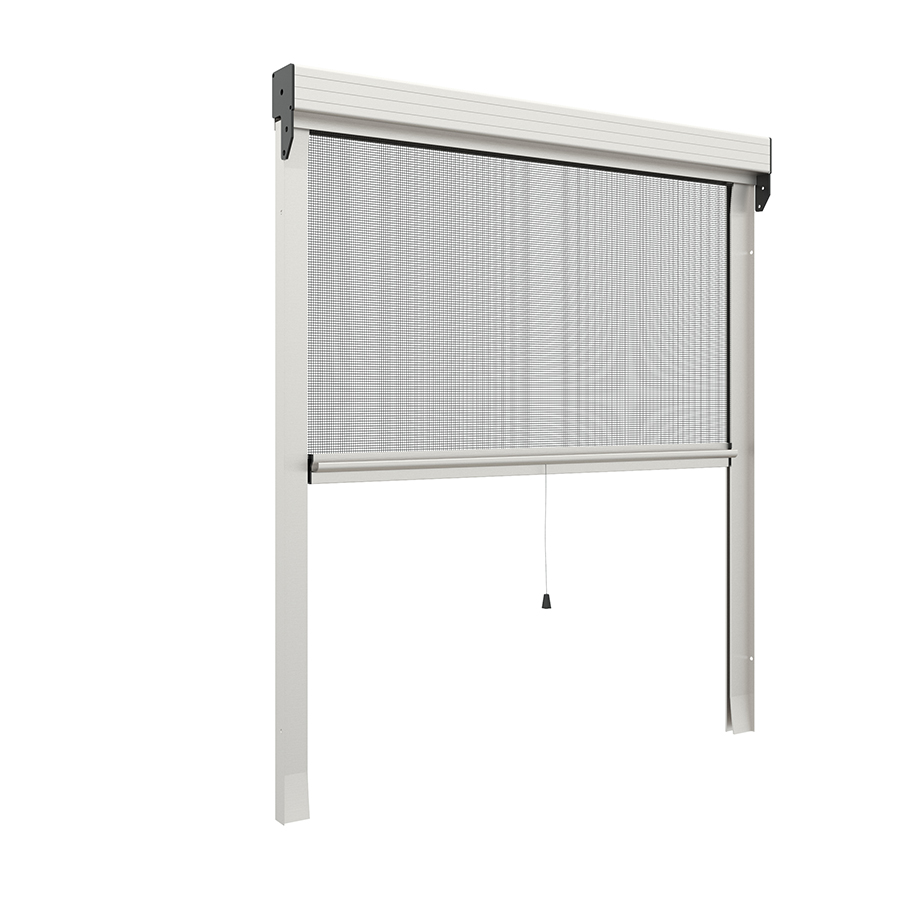
La meccanica delle tipologie di zanzariere avvolgibili per finestre si divide principalmente in due versioni: con molla di richiamo oppure con la catena.
Quali sono le differenze? Innanzitutto la molla permette l’avvolgimento della rete in modo rapido. La presenza di un freno – accessorio opzionale presente per i modelli proposti dai produttori più affidabili – permette una risalita moderata in modo da salvaguardare nel tempo il meccanismo della zanzariera.
La catena permette di alzare e abbassare la zanzariera in modo manuale, consentendoti di tenerla anche a aperta a metà per lo svolgimento di operazioni sul davanzale o l’apertura/chiusura degli infissi.
Ci sono poi specifiche varianti, a cominciare dal modello “antivento”, quelle a “spazzolino”, fino ad arrivare alle zanzariere “plissé” (con bottoni) e a quelle a “telaio fisso”, usate perlopiù per le finestre delle taverne o in prossimità di grate.
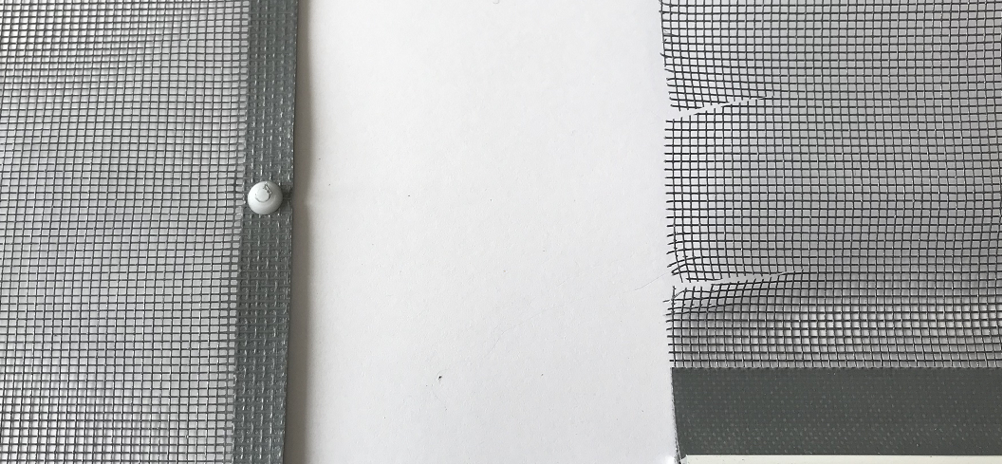
Nei modelli di zanzariere antivento sui bordi laterali è presente una fettuccia saldata dove sono attaccati dei piccoli bottoni di plastica che, in presenza di vento, non fanno uscire la rete dalle guide posizionate lateralmente.
In questo modo hai la possibilità di avere la rete sempre tesa anche in presenza di vento, quindi una resistenza maggiore soprattutto in caso di maltempo. La presenza della fettuccia saldata, inoltre, previene piccoli strappi o rotture che si possono generare a seguito di usura. In caso di urto accidentale, però, la rete rischia di strapparsi e deve essere sostituita.
Nei modelli di zanzariere per finestre a spazzolino la rete può uscire e rientrare nelle guide, dove, al suo interno, è presente un doppio spazzolino in plastica per tenere la rete tesa all’interno delle guide.
In caso di forte vento la rete può uscire ma il vantaggio di questo modello è che in caso di urto accidentale la rete può uscire e ritornare senza problemi all’interno delle guide, senza rompersi.